Words + Photos: Ami Li
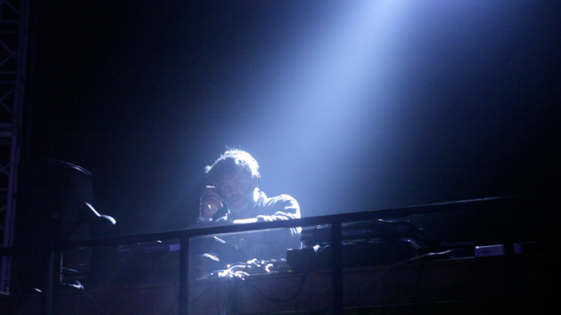
The Beijing editorial staff of China Music Radar spent a very enjoyable, work-free evening at the Creators Project last week, September 8th, 2012. The Vice-curated and Intel-sponsored project, now in its third year in Beijing, has struck a more or less winning formula: 1-2 big foreign names to draw out crowds, a couple of cred-building local acts and a few more thrown in for kicks. After inviting the likes of Major Lazer, Delorean, Glasser, Optimo and Mt. Kimbie, this year’s big score was erstwhile LCD Soundsystem musicians James Murphy and Pat Mahoney. They were joined on stage by CNdY, Shanghai’s Duck Fight Goose, Real Estate, FM3 and The Chromatics.
We arrived at 798’s Ullens Center for Contemporary Art (UCCA) just after 9PM that night, just in time to see one of our favorite Chinese bands – Duck Fight Goose – take the stage. Han Han and company were sharp and tight on stage, their complicated sound making the best of a vast, semi-empty room. DFG is a band that we’ve always preferred seeing in smaller, more intimate venues that big concrete airplane hangars that virtually swallow all the band’s complexities, but we’re really happy to see the band get more and more recognition whilst committing to their musical integrity.
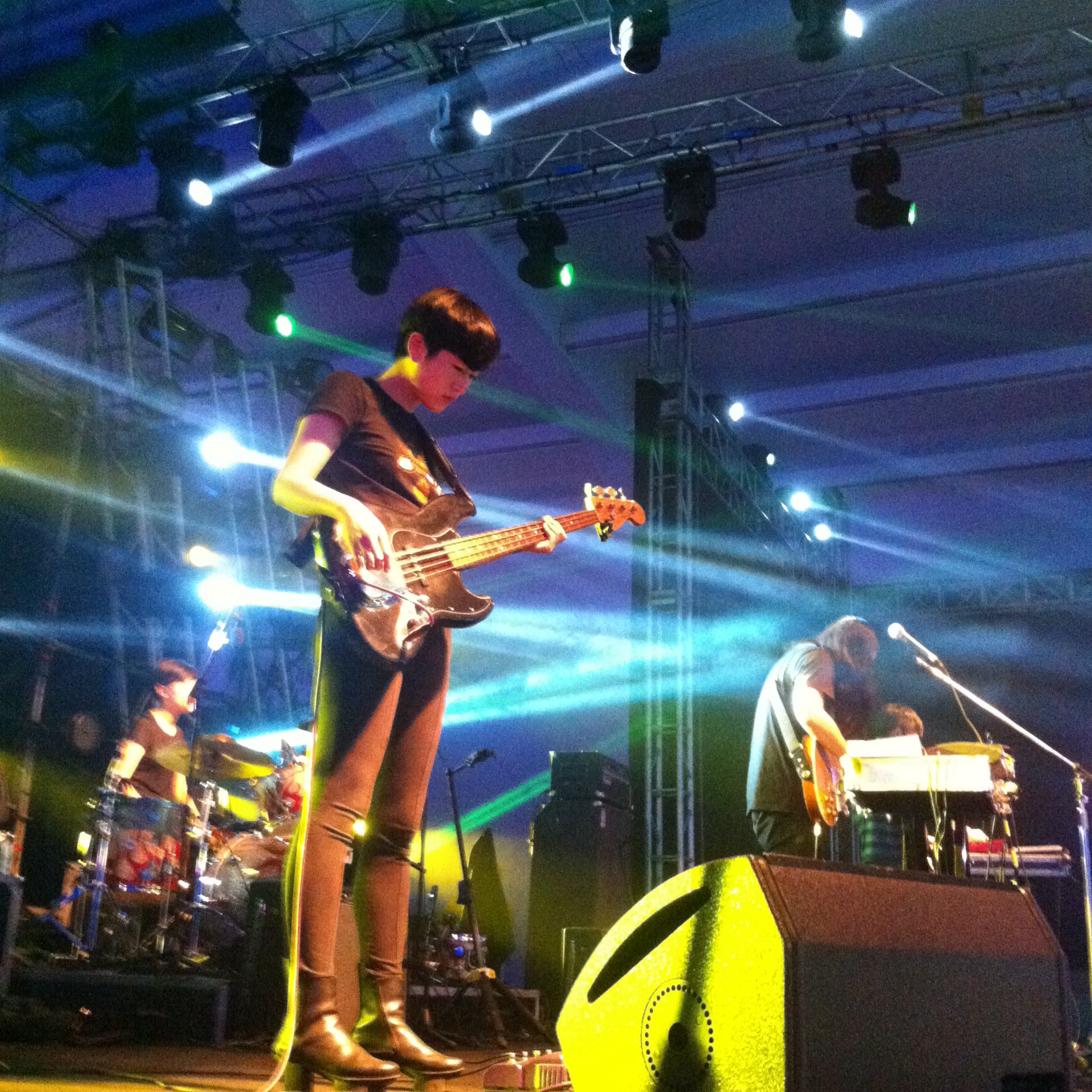
New Jersey’s Real Estate were up next. If the Great Hall at UCCA couldn’t do Duck Fight Goose justice, Real Estate just sounded like a blurry, muddy mess. Or maybe that’s what we were supposed to hear. Needless to say, reverb and cement do not a pleasant auditory experience make. A highlight of the evening was a rare performance from the Berlin-and-Beijing based duo FM3. Progenitors of the cult-favorite Buddha Machine, Christian Virant and Zhang Jian ripped through a fun, sonically risky set of Buddha Machine-aided remixes and original material.
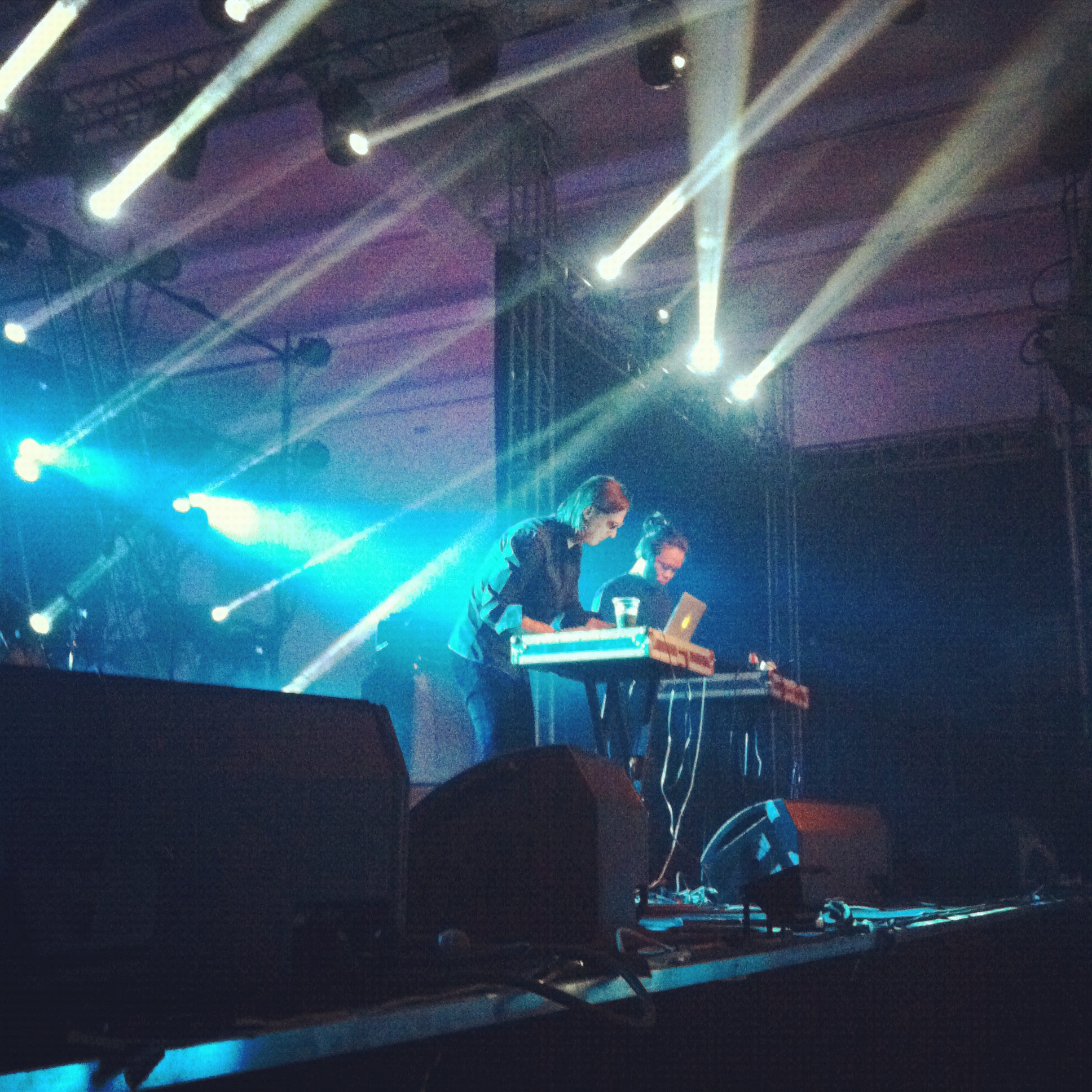
James Murphy came on to the stage shortly after midnight to an eagerly-waiting crowd. As previously promised, this was not an LCD Soundsystem performance, but a DJ set by J. Murph and P. Mahoney. Seemingly unshaken from a late-night encounter with the Shanghai PSB the night before, the duo delivered as promised – a rocking, danceable yet slightly challenging dance party for the assembled revelers.
One thing that constantly mystifies us about this and previous Creators Projects: the utter lack of people. Don’t get us wrong, no one wants PS 1 Warm Up or Animal Collective at the American Museum of National History-type hipster scrums. Yet, UCCA was barely two-thirds full when James Murphy started. We really, really don’t get it: free show, free alcohol (for VIPs), big names. Why wasn’t the entire city here? All you had to was RSVP, the website was bilingual, we saw plenty of foreign and domestic press coverage. Though, if we had 5 mao for every time we asked those questions, we’d be a lot wealthier and able to afford to bring James Murphy ourselves.